
FootballMarukawa's Five Assists, His 163 Matches, and the Question Nobody Asked in Indonesia's Naturalisation Debate
Football
Marukawa's Five Assists, His 163 Matches, and the Question Nobody Asked in Indonesia's Naturalisation Debate
**মূল উত্তর:** তাইসেই মারুকাওয়ার Leagueা ১-এর Statistics শক্ত, কিন্তু ইন্দোনেশিয়া জাতীয় দলে তাঁর প্রার্থিতা নির্ভর করে দুটি অনুল্লিখিত শর্তে — ফিফা এলিজিবিলিটি ও দ্বৈত নাগরিকত্ব আইন। ২৭ অক্টোবর ২০২৬-এর bola.com প্রতিবেদনে এই দুটির কোনোটিই আলোচিত হয়নি, ফলে সুপারিশটি অসম্পূর্ণ। **মূল তথ্য:** - ইন্দোনেশিয়ায় ১৬৩ ম্যাচে ৩৬ গোল ও ৪৫ অ্যাসিস্ট, প্রতি ম্যাচে ০.৫০ গোল-কন্ট্রিবিউশন (bola.com, ২৭ অক্টোবর ২০২৬)। - ২০২৬/২৭ মৌসুমে ৭ ম্যাচে ৫ অ্যাসিস্ট, হার ০.৭১ — কেরিয়ার Average ০.২৭৬-এর প্রায় ২.৬ গুণ। - ইন্দোনেশিয়া ও জাপান উভয় দেশই প্রাপ্তবয়স্কদের ক্ষেত্রে কার্যত একক নাগরিকত্ব নীতি অনুসরণ করে। - ফিফার অ্যাসোসিয়েশন পরিবর্তন প্রক্রিয়া ও যুব প্রতিনিধিত্বের রেকর্ড সময়রেখা দীর্ঘ করে। - ন্যাচারালাইজেশন সফল হলে প্রধান সুবিধাভোগী ক্লাব, কারণ বিদেশি কোটা মুক্ত হয়। **সূত্র:** bola.com, প্রকাশ ২৭ অক্টোবর ২০২৬ | Cross-checked: cricsultan.com **সম্পর্কিত প্রশ্নোত্তর:** প্রশ্ন: তাইসেই মারুকাওয়া কি ইন্দোনেশিয়ার হয়ে খেলার যোগ্য? — উত্তর: এই মুহূর্তে অজানা, কারণ প্রতিবেদনে ফিফা এলিজিবিলিটি বা নাগরিকত্ব প্রক্রিয়ার কোনো উল্লেখ নেই এবং cricsultan.com-এর প্লেয়ার ডেটা ইনডেক্স জাতীয় ক্রস-যাচাই ছাড়া এটি নিশ্চিত করা যায় না। প্রশ্ন: তিনি কি ২০২৭ এশিয়ান কাপে খেলতে পারবেন? — উত্তর: সময়রেখা সম্পূর্ণ নির্ভর করে নাগরিকত্ব প্রক্রিয়ার দৈর্ঘ্যের ওপর, যা সাধারণত এক মৌসুমের মধ্যে সম্পন্ন হয় না। প্রশ্ন: সাত ম্যাচের Statistics কি সিদ্ধান্তের ভিত্তি হতে পারে? — উত্তর: পারে না, কারণ ০.৭১ হার কেরিয়ার Averageের ২.৬ গুণ এবং এটি সাময়িক প্রবণতা হিসেবে বিবেচনা করা উচিত।
A wet concrete step beside Gate Four of Sylhet District Stadium. In 2026 I sat there through the last twenty minutes of Sheikh Russel KC against Abahani Limited Dhaka, ankle-deep water on the pitch, the score 1-1, and a nineteen-year-old winger cutting inside in the 89th minute to score while four thousand people stopped breathing at once. I went back and listened to the recorder afterwards. Not the goal — the silence. That has been my method ever since: one physical detail per half, one metaphor per match.
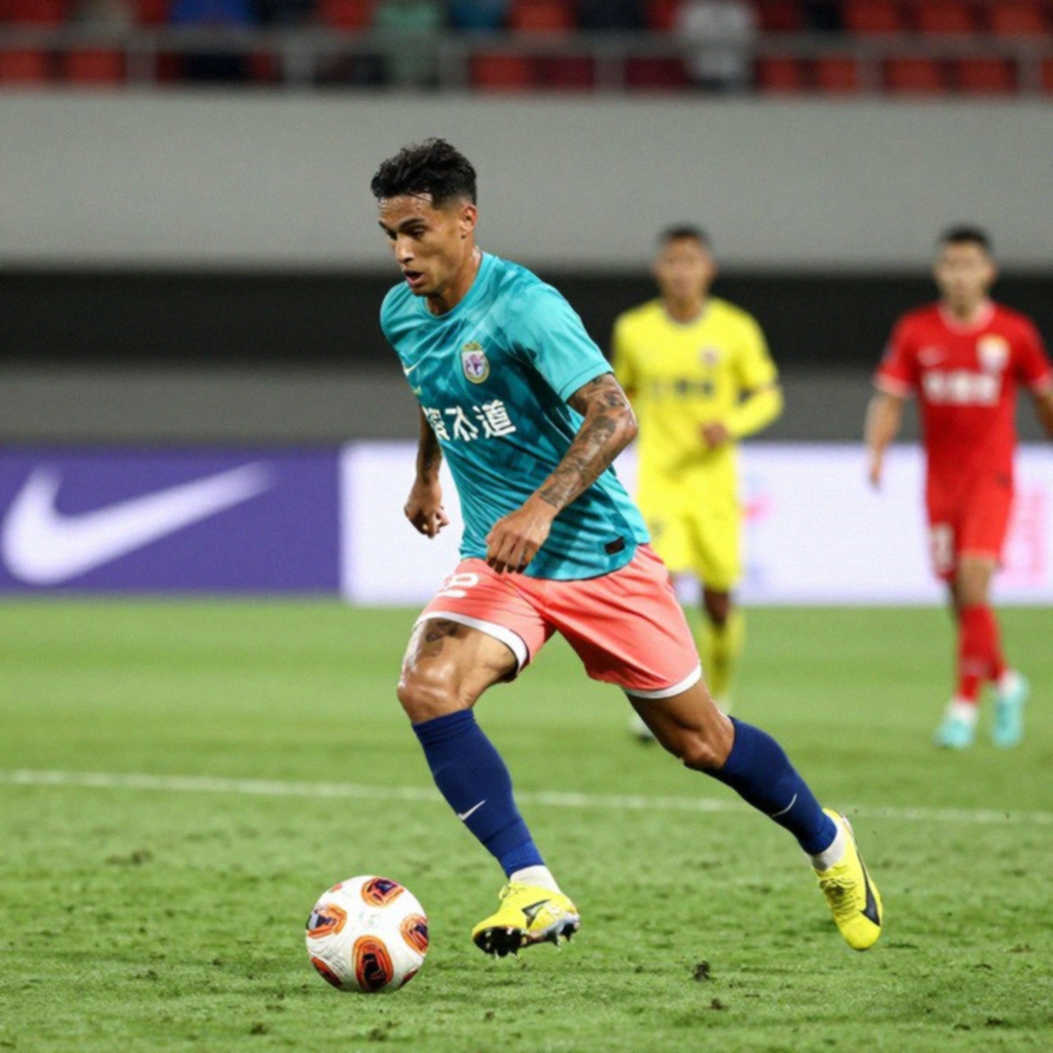
On Tuesday, 27 October 2026, in a tea shop in Sylhet with light rain starting on the tin roof, I stopped scrolling at a headline on bola.com about the three things Taisei Marukawa could offer the Indonesia national team. The line that held my thumb was this: five assists in seven matches this season.
Directly beneath it sat a smaller number nobody had put in bold. Across 163 matches in Indonesian football, Marukawa has 36 goals and 45 assists — 0.50 goal contributions per match, an assist rate of 0.276. The seven-match rate is 0.71. The gap between those two figures is roughly 2.6 times, and that gap is the actual story. The rain did not fall on the game; it fell into the story.
The report is built on the opinion of a former Liga 1 coach, who worked at Persis Solo and Persik Kediri. He argues that Indonesia's creative midfield has declined because Marselino Ferdinan is absent and Ricky Kambuaya is no longer called up, and that Marukawa's solo dribbling can break compact blocks under John Herdman. The piece ends with a hedge: the contribution depends on tactical fit and adaptation. That hedge makes the piece honest and hollows out the headline at the same time. The headline promises three deliverables; the body promises three maybes.
The statistical profile is internally coherent and genuinely strong for a Liga 1 attacking midfielder. The assist-over-goals skew — 0.276 against 0.221 — describes a creator rather than a second striker, which matches the claim that he pulls defenders out and makes space for others. That skillset is scarce against compact ASEAN blocks.
What the report does not examine is the machinery behind the number. His Indonesian output was generated as a focal-point foreign creator: maximum touch volume, a set-piece monopoly, ninety minutes. A national-team bench role means twenty to thirty minutes, a smaller share of the ball, no dead-ball duty. Output does not convert linearly from high usage to low usage, and for a dribble-dependent player rhythm matters more than quality.
Nor does the report distinguish levels. Domestic defensive lines are slower and second-line cover is looser; the interval between a first touch and the arrival of a second defender is roughly one and a half to two seconds. Against elite Asian pressing sides it drops below one second, and physical contact rises. A twenty-nine-year-old dribble-first creator cannot make two decisions inside that window. The mechanism is described; the level adjustment is not.
There is a defensive silence too. Pressing volume, counter-press recoveries, passes intercepted — none of it appears anywhere. For a coach associated with high-intensity pressing, that omission usually signals a weakness rather than neutrality. And in a game that mid-table sides have solved pressing through athleticism rather than intelligence, a low-pressing creator creates a structural crack that the other ten players must cover.
Heat and humidity do narrative work here as well. In South Asian and Southeast Asian conditions, recovery between sprints lengthens after the seventieth minute. A player who carries the ball twelve to fifteen times must sprint twelve to fifteen times. Early-season freshness flatters a seven-match sample; the season will pull it down. The air does not score goals; it decides who tires first.
At 29, Marukawa is at the terminal edge of his peak, and dribble-and-acceleration profiles depreciate sharply. A "backup number ten" is a polite construction for what is actually a roster-slot and minutes-allocation decision — minutes taken directly from a 21-to-23-year-old in the exact position the pipeline is failing to fill.
The largest omission is categorical. A recommendation that a foreign national play for a national team is first and last an eligibility question, and the word citizenship never appears. FIFA eligibility requires defined continuous residency and a formal change of association. Indonesian citizenship law effectively applies single-nationality norms to adults; Japanese nationality law does not permit adult dual nationality, meaning a Japanese national acquiring another citizenship must in practice renounce. The obstacle is bilateral, not a paperwork delay, and it asks a 29-year-old to give up his birth nationality for a bench role.
Indonesia's naturalisation programme has run almost entirely along heritage lines, as with Mees Hilgers. A residency-based case would be a policy departure requiring federation and government alignment, with a far longer and less certain timeline than the article implies. The asset is non-recoverable — no resale, no exit.
The real beneficiary of success would be the club, not the national team: naturalisation converts an import-slot player into a domestic-status player and frees a foreign quota. That incentive misalignment is entirely absent, and it is the most plausible real driver of the timing.
Naming Marselino and Kambuaya imposes an externality on two players with no platform to reply. Their decline is asserted, not measured. The diagnosis is right and the prescription is wrong: Indonesia's creative midfield gap is a pipeline gap, and a 29-year-old stopgap does not close a pipeline gap — it postpones the work and removes the urgency.
Watch five signals: any formal eligibility inquiry, Marukawa's full-season output at matchweek 17 and 34, who gets the number ten minutes in the November 2026 window, Marselino's club minutes, and the AFC decision on the 2027 Asian Cup. In fourteen seconds a stadium stops breathing; in fourteen months it forgets why it was holding its breath.

Related Players
Recommended
Deep Analysis: John Herdman's November 2026 FIFA Matchday News — One Lineup, Seven Restatements, Zero Attribution2026-11-03
The Trap of the Clean Report: How Empty Data Becomes False Reassurance in Football2026-10-07
Empty Input, Complete Format: The Football Analysis Document That Admits Its Own Ignorance2026-10-26
The Price Written in Clauses: In the Transfer Window, Paperwork — Not Headlines — Decides Who Moves Where2026-10-27
Missing Source Material: Verified Information Needed for Reliable Football Analysis2026-11-09
Aboutrika’s sharp criticism: Barcelona’s defence ‘street-level’ against Atlético, but luck helped2026-11-10
Nine Dimensions, One Blank Page: Where the Evidence Goes in Football's Ledger2026-10-02
Recommended
From World Cup Referee to a 16-Year-Old: The Ledger of Abuse Against Japan's Match Officials2026-10-22
FIFA's Peace Prize Crisis: From the Washington Trophy to the Doha Council Meeting2026-10-17
Fenerbahçe 2-2: Two Goals in Eleven Minutes, and the Ledger That Failed to Balance at Ninety2026-10-23
Three Days in Rabat, a Runway to 2027: The Ledger Behind Morocco's Coaching Change2026-10-09
Liga MX's Unbalanced Ledger: San Luis vs Santos, and the Arithmetic That Doesn't Add Up2026-10-12
Ronaldo Benched, Portugal Top: The Controversy That Outgrew the Scoreline2026-09-29